Why Pittsburgh Delivery Trucks, Work Vans, and Commercial Fleets Need Routine Fleet Pressure Washing
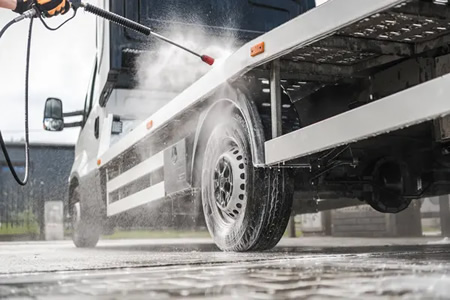
Pittsburgh fleets work hard. From early-morning runs through the Fort Pitt Tunnel to late-night deliveries in the Strip District, grime builds up fast. Routine fleet washing keeps your trucks, vans, and heavy equipment safer on the road, protects finishes from rust, and shows customers you run a tight operation.
The Pittsburgh Road Reality: What Beats Up Your Fleet
Western Pennsylvania weather and terrain throw everything at your vehicles. Winter brings brine and salt. Spring and fall add mud and leaf tannins. City routes mean soot, brake dust, and tight loading zones.
- Anti-icing brine and rock salt from I‑376, I‑279, and neighborhood hills
- Diesel residue, oil mist, and fine particulates from stop‑and‑go traffic
- Riverfront dust near the Ohio, Allegheny, and Monongahela corridors
- Construction grit from major routes and bridge work
- Pollen, sap, and bird droppings that etch clear coat
Left alone, this cocktail speeds up corrosion, clouds headlights, and makes reflective tape and safety markings harder to see. Clean vehicles are safer to drive.
Brand Image, Compliance, and Uptime
Every mile your logo travels is a rolling billboard. Clean box trucks and work vans signal reliability when you pull up in Shadyside, Lawrenceville, or Monroeville. Regular washing also helps keep lights, DOT numbers, and reflective decals visible.
Uptime matters. Keeping radiators, intercoolers, and sensors free of sludge supports efficient cooling and helps techs spot small issues during inspections. It is one of those simple habits that backs up your maintenance plan without adding shop time.
If you manage a mixed fleet that includes forklifts, skid steers, or yard trucks, pairing vehicle cleaning with periodic commercial pressure washing of loading areas helps reduce re‑soiling and slip risks.
Corrosion: Salt and Brine Eat From The Bottom Up
The toughest damage hides underneath. Salt and brine collect in seams, on brake lines, and inside frames. Weekly rinsing in peak winter can make the difference between surface rust and deep pitting. Salt and brine are corrosive. They do not stop working when the road dries.
Undercarriage attention is critical for delivery vans that park outdoors overnight and for box trucks that run hills in Brookline, Beechview, and Mt. Washington. If your routes include bridges or tunnels where spray lingers, grime bakes on even faster.
How Often Should You Wash A Fleet In Pittsburgh?
There is no one-size schedule. Frequency depends on route type, parking conditions, and season. As a starting point:
- Last‑mile delivery and parcel vans: 1–2 times per week in winter; weekly in other seasons
- Box trucks and regional tractors: every 1–2 weeks, with extra undercarriage rinses after storms
- Heavy equipment and yard vehicles: after muddy shifts and before service intervals
Adjust based on visual standards and the neighborhoods you serve. Fleets that stage near the rivers or construction corridors often need an extra touch to stay on‑brand. Consistent washing reduces long‑term repair costs.
What Professional Fleet Washing Includes
Professional teams bring the right water volume, controlled pressure, detergents designed for vehicle finishes, and trained technique. That helps protect decals, sensors, and trim while lifting tough films fast.
A typical service for commercial truck fleet washing in Pittsburgh includes a pre‑soak to break down road film, targeted agitation on problem spots, a thorough rinse, and an undercarriage focus to flush salt pockets. Attention to step rails, fuel tanks, mirrors, and liftgate hinges improves safety and presentation.
For refrigerated box trucks, doors and gaskets get careful cleaning to support a tight seal. For work vans and service bodies, tool‑box lids, ladder racks, and door jambs get special care so crews start clean and stay efficient.
Scheduling That Fits Routes And Weather
Pittsburgh weather can turn fast. Smart scheduling avoids freeze‑thaw swings and lines up washes after storms and brine events. Many managers choose off‑hour service to keep assets rolling in daylight and to have a clean lineup when the first shift clocks in.
If you are building your plan, skim practical ideas from our local archive of pressure washing tips. Then set a repeat cadence that your dispatchers, drivers, and yard leads can follow without reminders.
Cleaner Vehicles, Safer Sites
Clarity counts in tight urban streets and busy docks. Clean glass and mirrors reduce blind spots. Bright reflectors and striping stand out under South Side bridge lights. Drivers can complete walk‑arounds faster when grime is not hiding fasteners or fluid leaks.
Heavy equipment and fleet washing in Pittsburgh, PA also helps prevent track‑in at warehouses and job sites. That keeps forklifts and floor scrubbers from battling extra dust and grit during the day.
Box Trucks, Work Vans, And Last‑Mile Fleets
Box truck washing service in Pittsburgh keeps your most visible assets customer‑ready. Those big panels show streaks and road film quickly. Touch points like roll‑up door handles and liftgate buttons need sanitary attention. The same goes for work vans in neighborhoods like Squirrel Hill and Greenfield where curbside parking collects splashback.
Last‑mile vehicles rack up stops. Frequent rinses stop salt rings around wheel arches and remove the oily film that dulls white paint. Clean aluminum wheels and bright bumpers also help your crews spot curb rash or fastener issues before they become downtime.
Logistics Hubs, Contractors, And Mixed Fleets
Fleet washing for logistics companies in Pittsburgh supports tight delivery windows by making defects easier to see during pre‑trip checks. For contractors, clean rigs arriving in Fox Chapel or Mt. Lebanon project professionalism that wins referrals. And for municipal or utility fleets, regular washing helps keep reflective markings readable at night.
If your operation runs a mix of pickups, medium‑duty box trucks, and the occasional tractor, a consistent wash plan bridges the gap. You get predictable appearance standards across assets while protecting paint, aluminum, and undercarriage components.
Environmental Care And Water Management
Responsible fleet washing pays attention to where the water goes. Professional crews plan for collection where required, choose detergents appropriate for vehicle finishes, and avoid sensitive areas. That is better for your lot, better for nearby storm drains, and better for Pittsburgh’s three rivers.
When you choose a partner, ask how they handle cold snaps, runoff, and detailing around sensors and cameras. The goal is a safe, clean result without disruption to your schedule.
When To Call For An Extra Wash
Even with a set schedule, some days call for a quick cleanup. Watch for these signs:
- Chalky salt trails on frames, steps, or mud flaps after a brine event
- Clouded headlights or dirty sensors that could affect driver‑assist features
- Streaky tail lights or dim reflectors that reduce night visibility
- Sticky diesel film near tanks that collects dust
- Brown stains from leaf tannins under trees in residential routes
Addressing these early helps maintain safety, image, and resale value. Schedule around Pittsburgh weather for best results.
Why Choose A Local Pittsburgh Team
A local crew understands steep streets, tight alleys, and winter timing. They know how quickly Parkway spray can coat a van and how river fog mixes with soot along the flats. Most important, they can plan around your specific routes and yard access so drivers are never waiting on a wash bay.
If you are researching options, start with a simple recurring plan that aligns with your service windows. As your needs change, it is easy to increase frequency during snow season and scale back when the hills finally green up.
Set Your Schedule And Keep Rolling
Ready to keep your vehicles road‑ready, on‑brand, and protected year‑round? Lock in a routine that covers delivery trucks, work vans, box trucks, and heavy equipment with professional attention where it matters most. To see how it fits your operation, review our fleet washing service details and put your plan in motion with J&R Pressure Washing.
When local managers search for fleet pressure washing Pittsburgh, they want a dependable partner who shows up on time and keeps assets shining. That is exactly what you get with J&R Pressure Washing. Questions about building the right cadence for winter brine or summer dust? Call 724-813-0519 and we will map a plan that works for your routes and lots.
Protect your fleet, protect your brand, and protect uptime. Start a simple schedule today with a trusted Pittsburgh team. If you also need facility cleaning to reduce re‑soiling at docks and bays, explore our broader commercial pressure washing options to round out your maintenance plan.