How Often Should You Schedule Fleet Washing in Pittsburgh’s Industrial Environment?
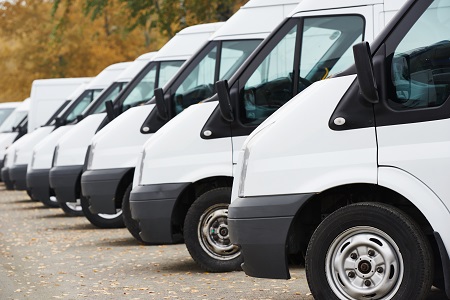
Pittsburgh fleets work hard through riverfront terminals, steep hills, tunnels, and stop‑and‑go city traffic. That mix leaves behind salt, soot, and grime that can age vehicles fast. A smart schedule for fleet washing in Pittsburgh protects your image and equipment while keeping operations moving. If you want help building the right plan, our commercial pressure washing specialists can tailor a program around your routes and yard hours.
What Makes Pittsburgh Hard On Commercial Fleets
Local conditions here are unique. Winter brings road salt and anti‑icing brine. Spring adds pothole splash and fine grit. Summer construction along corridors like I‑376 and I‑79 throws dust and tar. Fall leaves hold moisture against metal. Add in soot from busy industrial zones near Neville Island or the Strip District and your paint, chrome, and aluminum don’t stand a chance without routine washes.
Road salt and brine cling to metal and wiring long after the storm is gone. That residue speeds up corrosion on frames, steps, and undercarriages. On box trucks and trailers, grime also dulls graphics and safety markings, which can hurt brand perception and reduce visibility at night.
How Often Should Fleet Washing In Pittsburgh Happen?
Your best schedule depends on vehicle type, daily mileage, yard conditions, and where you operate. Use these guidelines as a starting point and adjust after a month of tracking:
- Waste haulers, roll‑offs, and vacuum trucks: 1–2 times per week in winter, weekly the rest of the year.
- Food and beverage delivery, parcel vans, last‑mile fleets: every 1–2 weeks in winter, every 2–3 weeks in other seasons.
- Over‑the‑road tractors and trailers: every 2–3 weeks, or after return to yard during winter runs.
- Construction pickups and service trucks working in dust or mud: weekly during active projects, every 2–4 weeks otherwise.
- Municipal, utility, and campus vehicles: every 3–4 weeks, with quick rinses after storms or dirty jobs.
Think of these as baselines. If your routes include the Liberty Tunnels daily, or heavy stops around Lawrenceville and South Side, bump frequency up. If vehicles are garaged indoors in Cranberry or Sewickley and only run dry weather, you can stretch the interval a bit.
Six Signs You Should Shorten Your Schedule
- White film on black trim or wheels that returns within a day. That is salt or calcium residue.
- Caked road grime on steps, fuel tanks, and rear doors that transfers to clothing or gloves.
- Faded reflectors or dull DOT tape at night.
- Sticky tar specks on lower panels after construction routes.
- Diesel soot streaks on fairings and trailer nose cones.
- Drivers reporting foggy headlights or backup cameras obscured by grime.
If customers can see grime from 20 feet away, you waited too long. Tighten your interval until vehicles look clean between visits.
Mobile Fleet Washing That Fits Your Route And Yard
Downtime hurts. That is why on‑site service is so valuable. A mobile crew can arrive after your last truck returns or before first dispatch, set cones, work lanes in sequence, and move safely around tight Pittsburgh yards. The right team logs unit numbers, finishes quickly, and keeps rinse water controlled so your lot stays tidy. When your operation needs a night, weekend, or early‑morning rotation, we’ll map it out and right‑size the crew so drivers are never waiting.
For simple, repeatable upkeep, many operations choose a recurring fleet washing program. Others pair vehicle washing with light facility care, like bay doors and dock face cleans, so the whole site looks sharp in one visit.
Keep Your Facilities Clean Too
Clean trucks parked beside a stained building still send the wrong message. Pair your vehicle schedule with periodic facility washing. Exterior walls, glass, and signage near docks collect diesel haze and dust, especially around warehouse clusters in Robinson and West Mifflin. See how routine building washing brightens entrances, improves lighting, and helps your team spot wear before it spreads.
A Simple Seasonal Plan For Pittsburgh Fleets
Most fleets do best with a seasonal cadence that shifts as weather changes. Use this template to start, then tune it to your routes and yard:
Winter: weekly or biweekly. Salt and brine are the big threats. Schedule more night washes so vehicles are clean for morning dispatch. Add extra attention to steps, lights, and hitch points.
Spring: every 2–3 weeks. Rinse away leftover salt, then hold to a steady rhythm as rain splashes up grit. Construction ramp‑ups may require temporary weekly service on affected lanes.
Summer: every 2–4 weeks. Heat bakes road film and bugs onto paint. Include a gentle touch on graphics and company logos to keep edges from lifting.
Fall: every 2–3 weeks. Leaves and early pretreatment brine show up. Watch for clogged weep holes around doors and clean them before freezes.
Why Professional Pressure Washing Protects Your Vehicles
Good washing is more than a quick rinse. Trained techs know how to protect cameras, sensors, decals, and sensitive finishes while removing the film that causes corrosion. That matters on modern tractors, step vans, and EV delivery vehicles with exposed connectors and sensors.
Clean vehicles are safer and easier to inspect. Reflective tape, marker lights, and placards pop when free of film. Drivers spot leaks and damage faster on clean equipment, which prevents small issues from becoming big repairs.
Professional washing also helps your brand. In busy corridors like McKees Rocks and the Strip, trucks double as rolling billboards. Consistent shine keeps your name memorable. It also boosts driver pride, which can improve pre‑trip habits and reduce complaints about equipment condition.
How To Choose The Right Interval For Your Fleet
Start with your routes. Do you run multiple stops downtown every day, or mostly highway miles to Butler and back? Yard conditions matter too. Unpaved lots hold mud and dust that transfer to tires and lower panels. Finally, consider storage. Outdoor overnight parking near the rivers exposes vehicles to extra moisture and film.
Here is a simple way to dial it in:
- Pick a baseline from the earlier list.
- Track driver notes, photo logs, and customer‑facing feedback for four weeks.
- Adjust by 3–5 days at a time until vehicles stay presentable between visits.
If you want more background as you decide, browse our current pressure washing tips for seasonal insights relevant to Western Pennsylvania.
When Mobile Fleet Washing Saves You The Most
On‑site service really pays off in three moments:
After storms: Post‑storm brine can cause fast pitting on exposed steel. A timely wash reduces residue before it bakes on during a thaw‑freeze cycle.
During construction detours: Fresh tar and concrete dust show up on rocker panels and mudflaps. A quick schedule change keeps grime from hardening.
Before big customer visits: Many local shippers in the Airport Corridor and Strip District notice the condition of incoming trucks. A clean arrival sets a better tone at the dock.
When comparing providers, ask about documentation and flexibility. Photo logs tied to unit numbers help you verify work and plan maintenance. Flexible crews can split a large fleet over two nights so you keep full dispatch capacity.
If you are evaluating options for fleet washing in Pittsburgh, you will find that a consistent schedule, not sporadic cleans, delivers the best long‑term results.
Suggested Schedules By Fleet Type
Use these examples to jump‑start your plan. Adjust for weather and route density:
Trucking and logistics:
- Tractors and reefers running the Mon Valley, Hazelwood, and South Side: every 2 weeks in mild weather, weekly in winter.
- Regional flatbeds moving steel or stone: weekly, with quick rinses after messy loads.
Service fleets:
- HVAC, plumbing, electrical serving Cranberry to Mt. Lebanon: every 2–3 weeks; protect ladders, racks, and light bars.
- Municipal and utility vehicles: every 3–4 weeks, with storm‑response rinses as needed.
Delivery and retail:
- Parcel, grocery, and beverage vans running dense stop patterns: every 1–2 weeks year‑round to keep logos bright and doors clean.
Consistency beats intensity. Lighter, more frequent washes protect finishes better than infrequent heavy cleanings.
Set Your Pittsburgh Fleet On A Clean, Predictable Rhythm
Whether you run five step vans in Bloomfield or fifty tractors across Allegheny County, a steady rhythm is the secret. We can help you map routes, shift cycles seasonally, and balance shine with uptime. Many teams start with a trial month, then lock in the interval that keeps units consistently presentable.
When you are ready, talk with J&R Pressure Washing about a recurring schedule. Our team can outline a night or weekend rotation that respects your dispatch windows and security needs. To get started, call 724-813-0519 or review our mobile fleet washing options for the Pittsburgh area.